Satellite-to-Phone Service: The Truth About Dead Zones
Table of Contents
Satellite to Phone Service: The Truth About Dead Zones
You are halfway up a mountain road, your map has stopped loading, and your phone shows the two words nobody likes: No Service. For decades, that moment meant you were on your own. Now a growing list of carriers claims that your regular phone can talk to a satellite overhead instead of a tower beside the road.
Is that really true? Satellite-to-phone service sounds like science fiction, yet people are already sending texts from places where coverage never existed. The honest answer sits somewhere between the marketing and the doubt, and that is exactly where you will find it in this guide.
You will learn how it works, what you can do with it today, what it costs, where it still struggles, and how to get your phone ready before you need it.
What Is Satellite-to-Phone Service
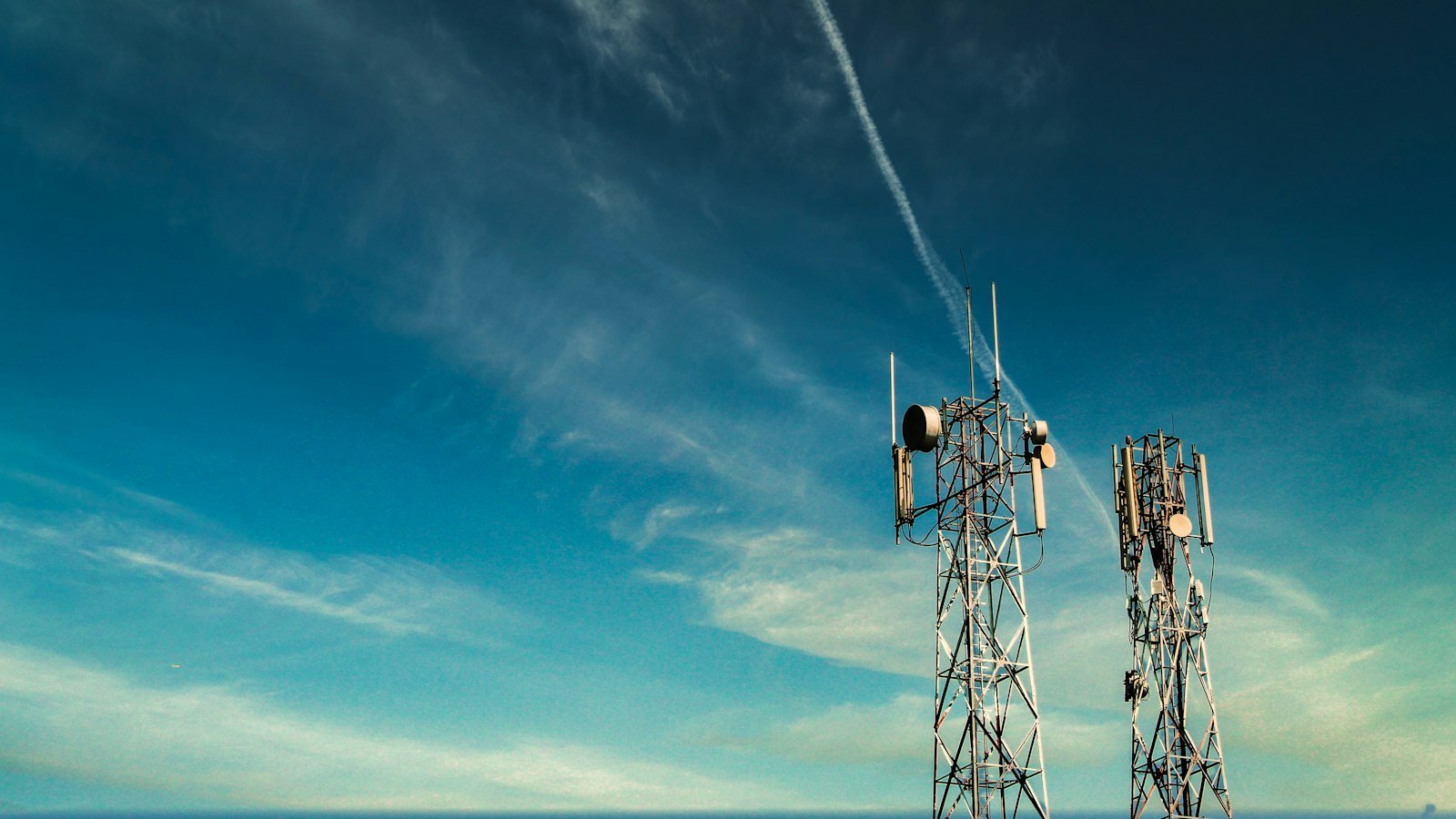
Satellite-to-phone service, often called direct-to-cell, lets an ordinary smartphone connect to a satellite when it cannot reach a cell tower. You do not carry a bulky satellite phone or point a dish at the sky. Your regular phone does the talking, and the satellite acts as a cell tower in orbit.
The idea is not to replace your carrier. It is to fill the gaps: deserts, mountains, open water, rural roads, and areas where a storm has knocked towers offline. When your normal signal disappears, the phone switches to the satellite on its own.
A small label in the corner of the screen tells you which network you are using. On T-Mobile, for example, you may see names like T-Mobile SpaceX or T-Sat+Starlink when you are connected.
How It Differs From a Satellite Phone
A classic satellite phone is a separate device with its own plan, a bulky antenna, and a price tag that puts it out of reach for most weekend adventurers. The newer approach uses the phone you already own. You trade some capability, such as voice quality and speed, for convenience and a much lower cost.
That trade-off is the whole point. Most people do not need a dedicated satellite handset for a camping weekend. They need a dependable way to say they are fine, or that they need help, and a tool they will actually have in their pocket when the moment arrives.
Why It Matters for Everyday Coverage
Mobile networks cover most of the places where people live, but a large share of the land and sea around us has no towers. Building towers there is expensive, so carriers have little reason to try. Satellites change the math, since a single one can cover a huge area at once. That is why this kind of coverage may help far more than the small pockets of the map that look empty today.
How Satellite-to-Phone Service Works
Satellites as Cell Towers in the Sky
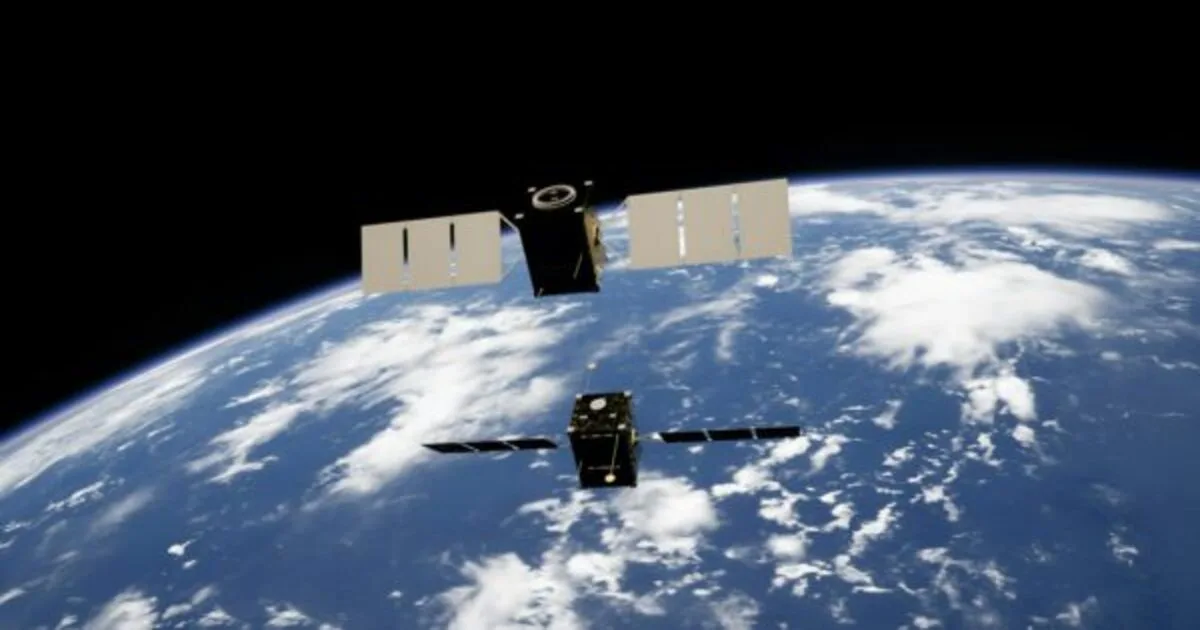
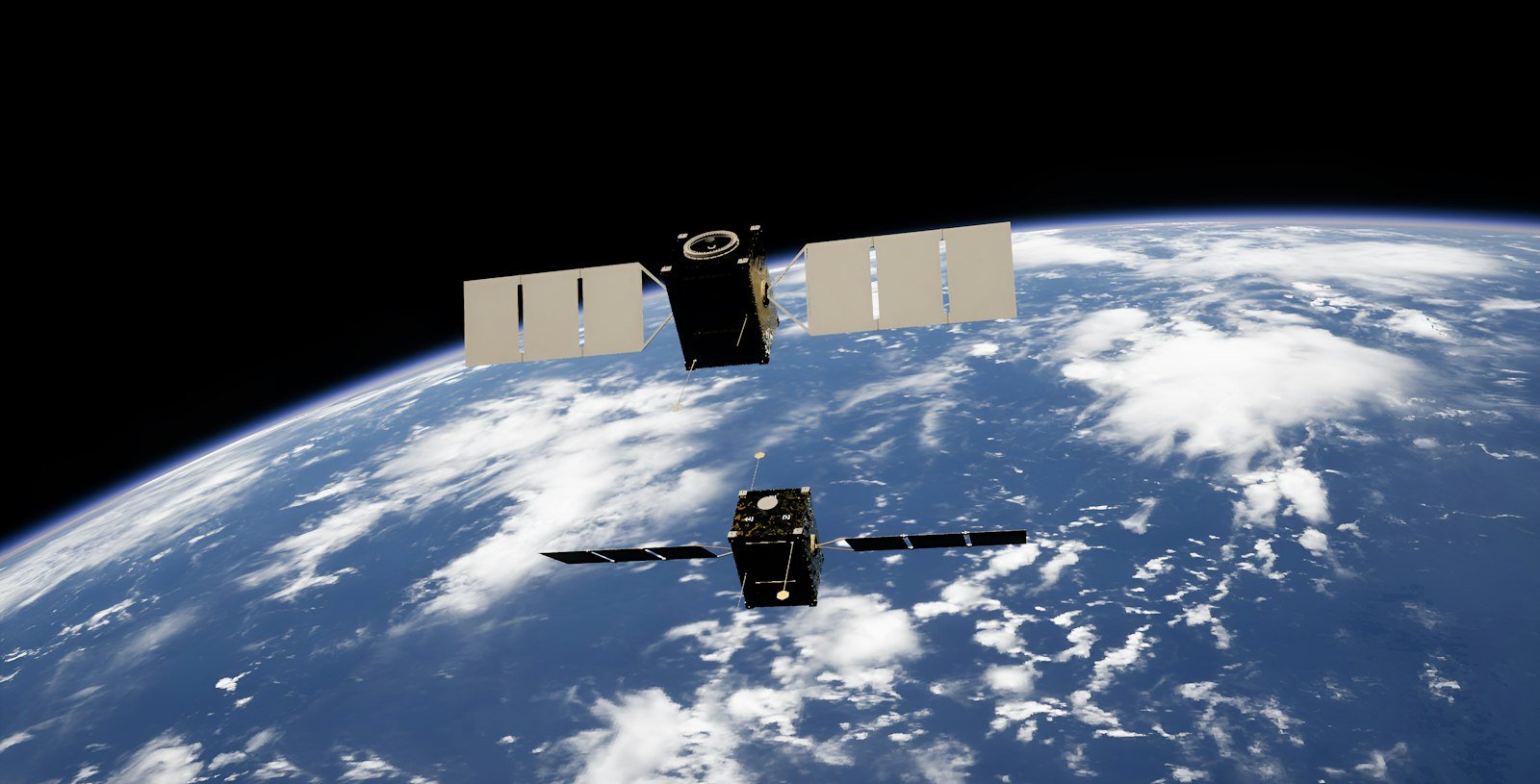
Starlink direct-to-cell satellites carry special antennas that behave like a tower in space. They use radio spectrum that a carrier already owns, which is why a standard LTE phone can connect without new hardware. One industry guide counted more than 650 of these satellites as of January 2026, with FCC approval to add thousands more. Treat those numbers as a snapshot, because they change quickly. The guide is available on SatelliteInternet.com.
Why Your Normal Phone Works
The satellite speaks the same language as a tower. Your phone sees a signal on a familiar band and joins automatically. That is the clever part: no special case, no extra device, just software and carrier agreements behind the scenes. T-Mobile says most smartphones from the last four years work, and iPhone 14 and later have built-in satellite capability.
What the FCC Rules Say
In the United States, the FCC created a framework called Supplemental Coverage from Space. As RCR Wireless explains, a satellite operator needs a spectrum lease with a ground carrier; the satellite service is secondary to the carrier network, and it can only run where normal coverage is missing. Carriers must also route emergency calls to the right dispatch center. Those rules explain why this shows up as a carrier feature rather than a separate subscription.
What You Can Do With Satellite-to-Phone Service Today
Do not expect full 5G speeds. Think of today’s offering as a safety net with a few useful extras:
- Send and receive text messages
- Share your location with friends or family
- Use satellite-optimized apps for tasks such as maps or weather
- Reach emergency services by text to 911
- Place calls through WhatsApp
Texting Is the Core Feature
Messages are the star. They may arrive a little slower than usual, because the satellite moves overhead and your phone waits for the right moment to connect. Even so, a text that goes through from the middle of nowhere can be the difference between worry and reassurance.
Voice and Data Are Limited
T-Mobile states that traditional voice calls over satellite are not supported and that data speeds are limited. Plan on short messages and light apps rather than video calls or streaming. Voice and richer data are features the industry says it wants to expand over time.
Emergency Access
Text to 911 is free for eligible devices, according to T-Mobile. That alone makes the service worth understanding before a hiking trip or a long drive across remote areas.
What Does It Cost?
Pricing depends on your carrier. T-Mobile lists the service as included on its Experience Beyond 2.0 and Better Value plans, $10 per month per line for other T-Mobile customers at a limited-time rate (it says the usual price is $15), and $10 per month per line for customers of other carriers. Check the T-Mobile satellite page for current numbers, because plans change.
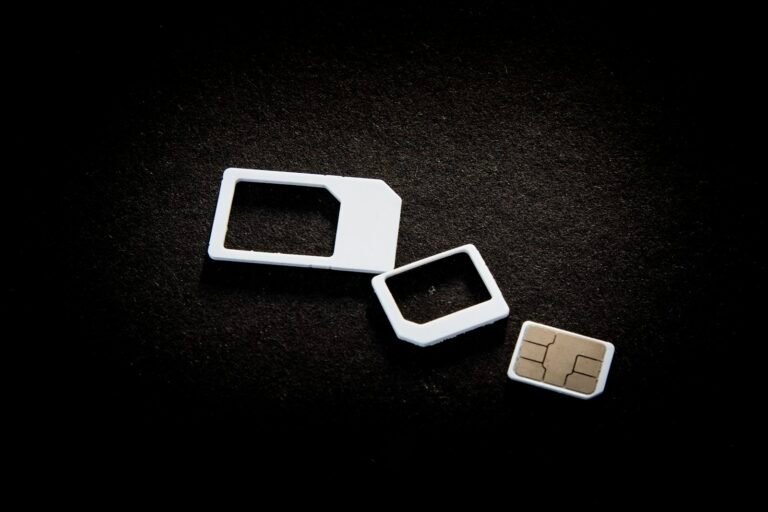
If you are with another carrier, one guide to the service notes that your phone needs LTE support and an open eSIM slot. If that term is new to you, our explainer on eSIM vs physical SIM shows how it works.
Where It Still Falls Short
Honest limits matter more than hype. Keep these in mind:
- You need a clear view of the sky, so trees, canyon walls, and buildings can block the signal
- Messages can be delayed while the satellite passes overhead
- Data speeds are limited
- Weather can interfere with reliability
- Coverage depends on the country; T-Mobile lists the continental US, Puerto Rico, Hawaii, and parts of southern Alaska, with Canada, New Zealand, and Japan expanding.
TechRadar reported that US carriers such as AT&T and Verizon raised concerns about interference with existing networks when the FCC approved the first partnership between a satellite operator and a cellular network. Rules and technology are still settling, as TechRadar’s report shows.

Who Is Building Satellite-to-Phone Service?
Starlink and T-Mobile
This is the best-known pairing in the US and the one with the clearest public details today. The FCC approved it as the first such collaboration between a satellite operator and a cellular network.
AST SpaceMobile, Verizon, and AT&T
AST SpaceMobile has signed commercial agreements with Verizon and AT&T. According to Telecoms.com in October 2025, the company aims to deliver space-based cellular broadband across the continental United States starting in 2026, and it needs many more satellites to do it. Check current news, because timelines in this field shift often.
Efforts Abroad
Deutsche Telekom, Qualcomm, and Skylo sent the first Satellite-to-Phone Service text in Europe in a proof-of-concept test, per TechRadar. Expect more carriers around the world to follow.
Real-Life Situations Where It Helps
Technology talk only goes so far, so picture the moments when this feature earns its monthly fee.
Road Trips Through Empty Country
Long highways in mountains, deserts, and forests often have stretches with no tower for miles. A flat tire or a breakdown there is stressful enough without the extra worry of being unreachable. A T-Satellite text lets you tell someone where you are and what you need.
Hiking, Camping, and Boating
Trails and open water are the classic dead zones. If you twist an ankle on a ridge, a short message with your location can bring help faster than waiting for another hiker to pass by. Pack the phone as usual, keep it charged, and know how to open the satellite messaging screen before you leave the trailhead.
Storms and Power Outages
When a storm knocks down local towers, ground coverage can vanish exactly when families need to check on one another. A phone that can fall back on a satellite gives you one more way to reach people and emergency services while the local network recovers.
Battery and Practical Tips
Searching for any weak signal tends to use more power than sitting on a strong one, and a satellite link is no exception. Carry a small power bank on remote trips, lower your screen brightness, and send short messages instead of long ones. If you only need to confirm you are safe, a single line is enough.
It also helps to save key phone numbers and addresses in your contacts before you leave. Typing is slower when you are cold, tired, or stressed, and you will want every message to count.
How to Get Your Phone Ready
You do not need to wait for an emergency to prepare. Follow these steps:
- Check that your phone is on your carrier’s compatible list.
- Confirm that satellite messaging is part of your plan, or add it before your trip.
- Update your phone software so you have the latest satellite features.
- Download offline maps for your route, just in case.
- Practice once outdoors: step into an open area and send a test text.
- Tell your family which app or number to expect messages from.
Quick Tip for Hikers and Drivers
Look up, not at your screen. Satellite signal needs open sky, so move away from trees and rock walls before you give up.
Three Myths About Satellite Phone Service
A few ideas keep floating around, so here is a quick reality check:
- It works everywhere on Earth. Availability depends on your carrier, your country, and your view of the sky.
- It gives you full-speed internet. Today it is built for texts, location sharing, and emergencies, not for streaming.
- You need a new phone. Many phones from the last few years already work, though you should check your carrier list.
Will Satellite-to-Phone Service Replace Your Home Internet?
No. This technology targets your phone in emergencies and coverage gaps, not your living-room Wi-Fi. If you want satellite internet at home, read our comparison of satellite internet and fiber.
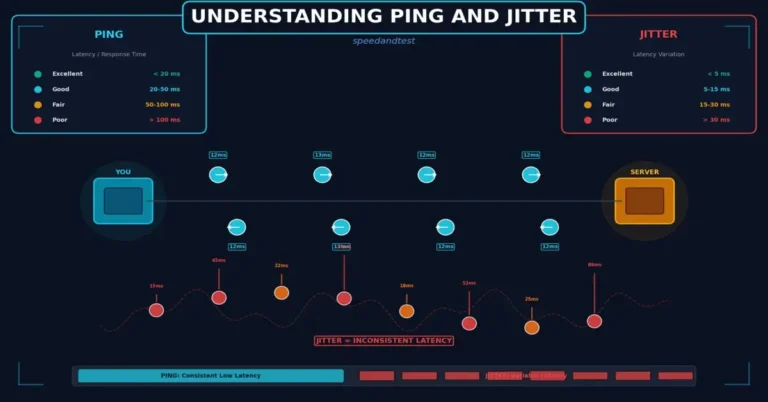
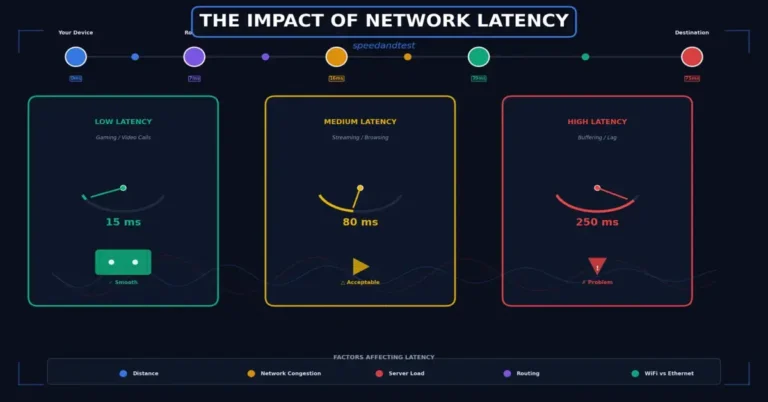
Delay matters too. Any signal that travels to space and back adds time, which is why our guide on network latency is useful background for gamers and callers.
What Comes Next?
Carriers want voice calls and faster data over text via satellite, and companies are launching more satellites to make that possible. Many experts expect satellite links to become a normal part of future mobile networks, a trend we touched on in our look at the future of internet technology.
For you, the practical takeaway is simple. Treat this as a smart safety layer, not a replacement for good coverage.
Your Next Step
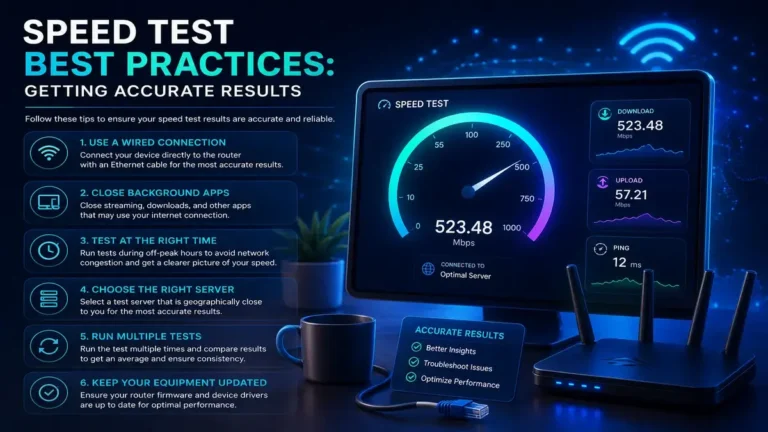
Don’t wait for a dead zone to test your setup. Check your phone and plan today, and run a free speed test at SpeedAndTest.com to see how your regular connection performs at home. Then share this guide with a friend who hikes, camps, or drives long distances.
Frequently Asked Questions About Satellite to Phone Service
What is satellite to phone service?
It is a feature that lets a regular smartphone connect to a satellite when no cell tower is in range, so you can send texts and reach emergency help in remote areas.
Do I need a special phone for satellite-to-phone service?
Usually not. T-Mobile says most smartphones from the last four years work, and recent iPhones have built-in satellite capability. Check your carrier compatibility list before you rely on it.
Can I make voice calls over satellite?
Not traditional ones on T-Mobile. It supports texting, select apps, and calls through WhatsApp, while data speeds stay limited.
Does satellite-to-phone service work indoors?
Usually no. The phone needs a clear view of the sky, so step outside or move to an open window and expect delays.
How much does satellite-to-phone service cost?
It varies by carrier and plan. T-Mobile lists it as included on some plans and $10 per month per line for others, but prices change, so confirm with your carrier.
Is satellite-to-phone service available outside the US?
Parts of it are. T-Mobile lists Canada, New Zealand, and Japan as expanding, and other carriers abroad are testing their own versions.