
Satellite Internet: Is It Really Better Than Fiber?
Table of Contents
If you’ve spent years hearing “satellite internet” and picturing laggy video calls and sky-high prices, you’re not alone — and you’re also behind the times. Something has genuinely shifted in the last few years, and it’s worth your five minutes to understand what changed before you write the option off again.
Maybe you’re stuck with a single overpriced cable provider. Maybe you live somewhere fiber will never reach. Or maybe you just saw a Starlink dish on your neighbor’s roof and wondered if you’re missing out. Whatever brought you here, you deserve a straight answer: is satellite internet actually good enough now, or is it still a last resort?
By the end of this guide, you’ll know exactly how satellite internet performs in 2026, how it stacks up against cable and fiber, and whether it makes sense for your specific situation.
What Counts as Satellite Internet in 2026?
Not all satellite internet is created equal, and this is where a lot of old assumptions go wrong.
Low Earth Orbit vs the Old Geostationary Satellites
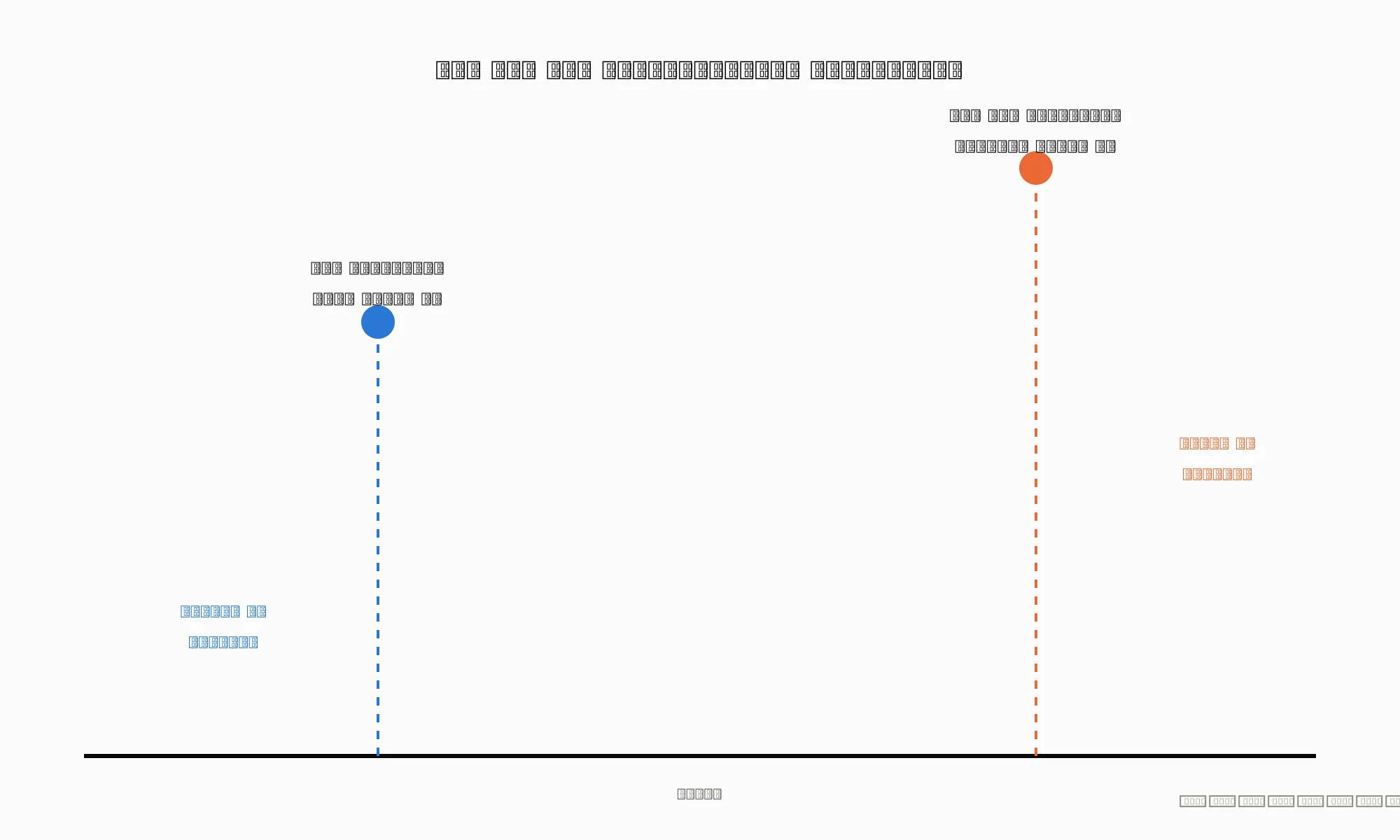
What your parents might remember used geostationary (GEO) satellites parked roughly 22,000 miles above the equator. That distance is the whole problem: even at the speed of light, a signal traveling that far and back creates painful delays, often 600 milliseconds or more. That’s the version responsible for satellite internet’s bad reputation.
Today’s service mostly runs on Low Earth Orbit (LEO) constellations instead, positioned just a few hundred miles up. That shorter distance is the single biggest reason performance has transformed so dramatically — latency has dropped from something like 650 milliseconds down to a range that finally competes with wired connections.
Who’s Actually in the Game
Three names matter most right now:
- Starlink (SpaceX) — the clear market leader, with more than 10,000 satellites already in orbit and millions of active subscribers worldwide.
- Amazon Leo (Project Kuiper) — Amazon’s competing LEO network, aiming for consumer availability around mid-2026, though deployment has run behind schedule with only a few hundred satellites operational so far against a target of 1,600.
- Eutelsat OneWeb — positioned more toward business, government, and remote-region connectivity rather than direct-to-consumer plans.
Is It Available Outside the U.S.?
If you’re reading this from outside the United States, the short answer is: probably, and increasingly so. Starlink has expanded to well over 100 countries and territories, covering most of Europe, large parts of Latin America, Africa, and Asia-Pacific, with regulatory approval being the main gating factor rather than technology. Amazon Leo’s initial rollout is more U.S.-centric for now, with international expansion expected to follow once its enterprise partnerships and satellite count grow. If you’re outside the U.S., checking a provider’s coverage map before assuming availability is still worth the two minutes it takes.
Satellite Internet Speed in 2026: The Real Numbers
Here’s where things get genuinely interesting, because the numbers have moved a long way from the old “just enough to check email” reputation.
| Provider | Typical download | Typical upload | Typical latency |
|---|---|---|---|
| Starlink | 25–220 Mbps | 5–25 Mbps | 25–60 ms |
| Amazon Leo (Kuiper) | Up to 1 Gbps (target) | 6–8x faster uplink than Starlink (claimed) | ~30 ms (target) |
| Eutelsat OneWeb | 50–195 Mbps | 10–30 Mbps | 40–70 ms |
Amazon’s own figures claim its network will eventually deliver roughly double Starlink’s download speeds and significantly stronger upload performance, thanks to a newer satellite design and native integration with Amazon’s cloud infrastructure. Those numbers are still a target rather than a fully proven, widely available reality, since Amazon Leo remains in early rollout with major enterprise partners like Delta, AT&T, and Vodafone lined up before broad consumer access expands.
Why Your Speed Depends on Time of Day and Location
Satellite internet speed isn’t a fixed number the way a fiber connection often is. It fluctuates based on:
- How many people share your satellite coverage cell — rural areas with fewer subscribers often see the top end of the speed range, while suburban users in peak hours may see speeds closer to the lower end.
- Weather conditions — heavy rain or snow can briefly reduce signal quality.
- Time of day — early morning and late night usage tends to be faster than evening peak hours when everyone is streaming.
If your neighbor with satellite internet raves about their speeds while you’re seeing something slower, this variability is usually why.
Satellite Internet vs Cable vs Fiber: Head-to-Head
This is the comparison that actually matters when you’re deciding what to sign up for.
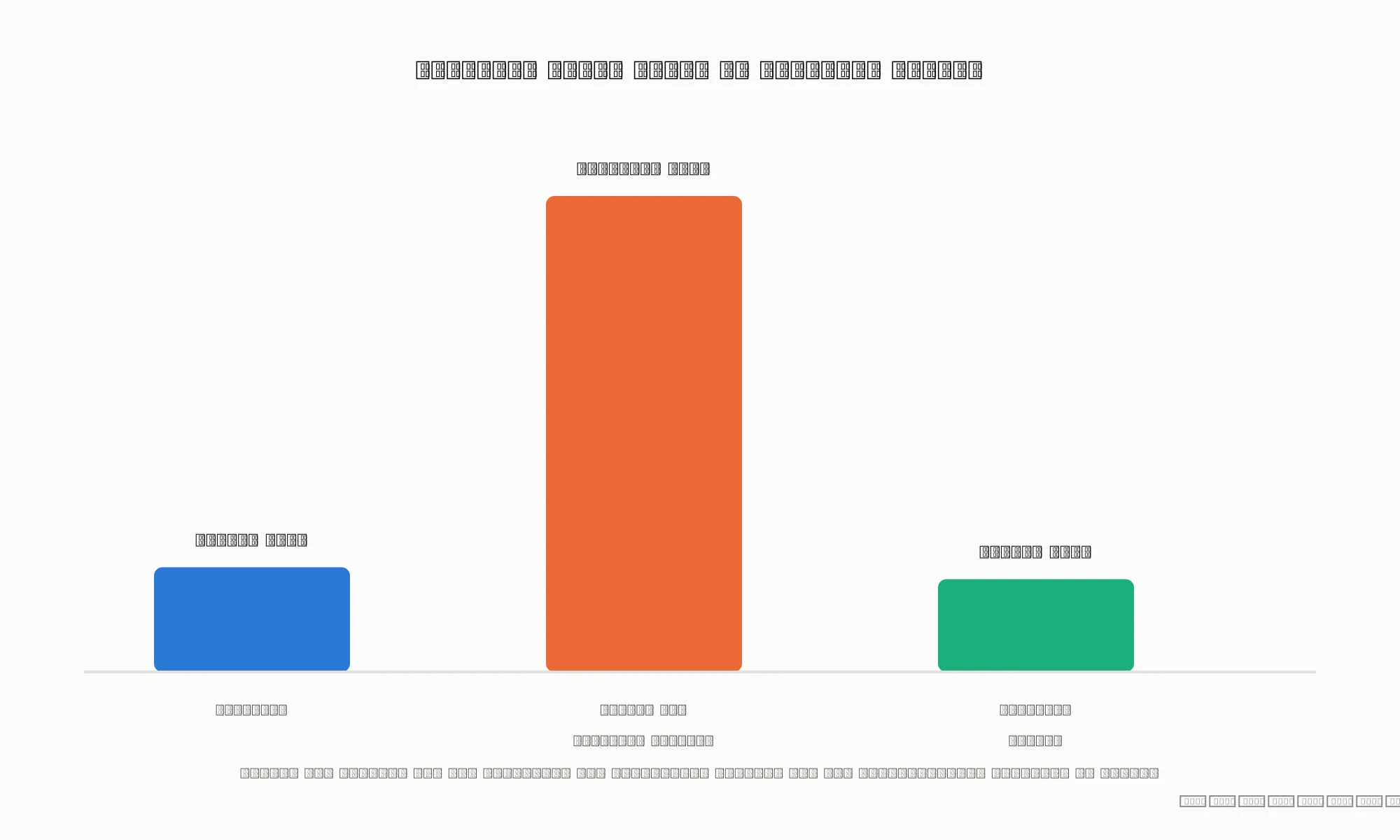
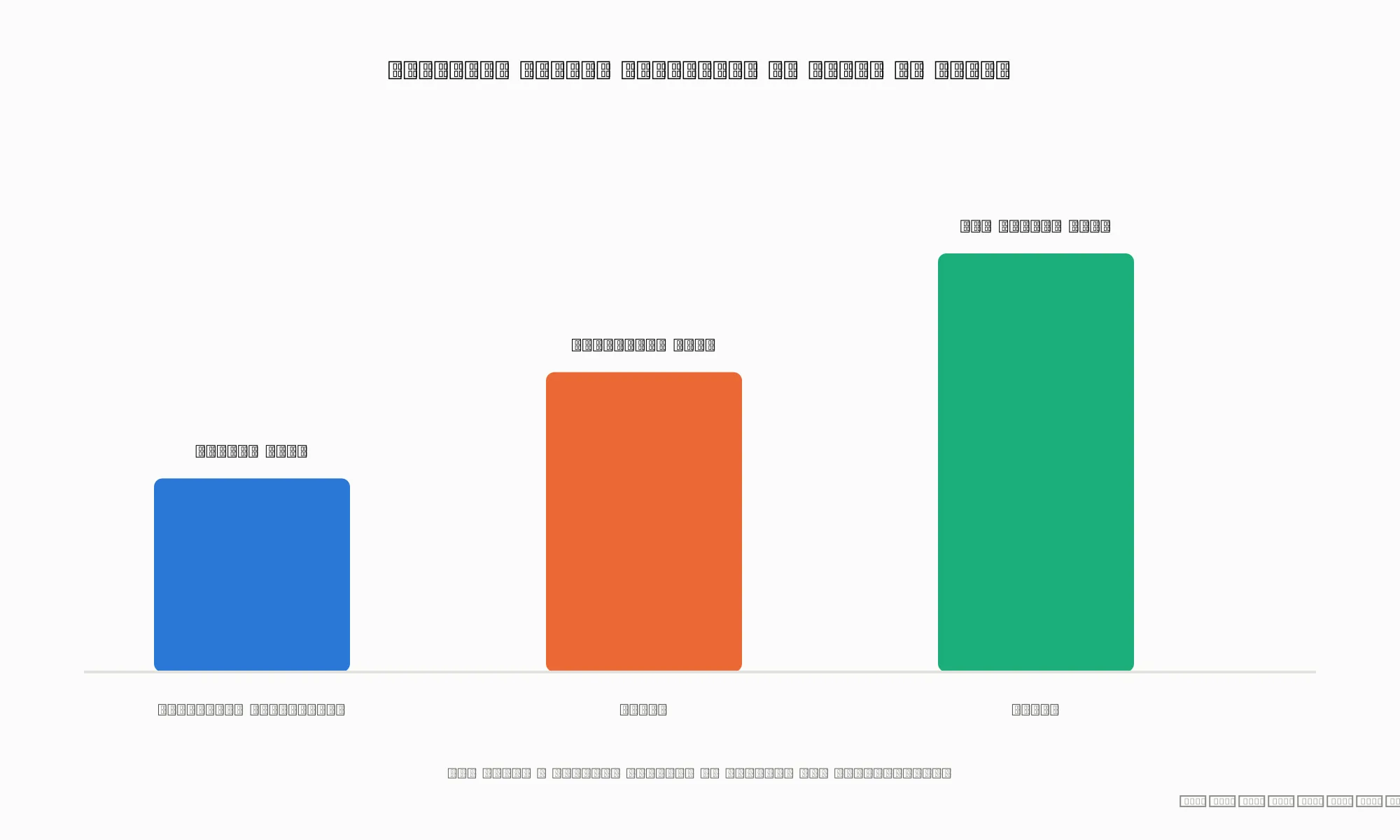
| Metric | Satellite (Starlink) | Cable | Fiber |
|---|---|---|---|
| Download speed | 50–220 Mbps | 100–1,200 Mbps | 300–8,000 Mbps |
| Upload speed | 7–25 Mbps | 5–35 Mbps | 300+ Mbps |
| Latency | 25–60 ms | 10–30 ms | 1–10 ms |
| Approx. 2-year cost | $3,200–$3,400 | $1,200–$2,700 | $1,680–$2,160 |
| Availability | Nearly anywhere with sky view | ~85% of U.S. households | ~45% of U.S. households |
When Satellite Actually Wins
Satellite internet earns its place in a handful of very real scenarios:
- You live somewhere fiber and cable simply don’t reach. Roughly 20 million Americans still lack access to a genuinely fast wired option, and for them, availability beats any speed comparison.
- You need internet at a remote property, cabin, or while traveling. Compact, portable satellite kits work at RVs, campsites, and job sites where wired options don’t exist at all.
- You want a reliable backup connection. Pairing satellite internet with a dual-WAN router gives remote workers a failover option if their primary line ever drops.
- You’re tired of contracts, equipment rental fees, and promotional pricing that jumps after a year. Many satellite plans use flat, transparent monthly pricing instead.
When You Should Stick With Cable or Fiber
If a real wired option is already available at your address, it’s usually still the better deal:
- Fiber delivers latency low enough for competitive gaming and professional video work that satellite currently can’t match.
- Cable and fiber plans typically cost noticeably less over a two-year period for comparable or better speeds.
- Wired connections aren’t affected by weather, trees, or line-of-sight obstructions the way satellite dishes can be.
Is Satellite Internet Good Enough for Gaming, Video Calls, and Streaming?
This is usually the deciding question, so let’s break it down honestly by use case:
- Video streaming (Netflix, YouTube, etc.): Satellite internet handles this comfortably, even in 4K, since modern LEO speeds far exceed what streaming requires.
- Video calls (Zoom, Teams): Generally solid, though satellite’s higher latency compared to fiber can occasionally cause slight delays in fast-paced conversation.
- Casual and story-driven gaming: Perfectly playable for most single-player games and slower-paced online titles.
- Competitive, fast-twitch online gaming: This is where satellite still lags behind. The 25–60 millisecond latency range is noticeably higher than fiber’s 1–10 milliseconds, which matters in games where split-second reactions decide the outcome.
- Large household use with multiple simultaneous streams: Manageable on most current plans, though heavy multi-device households may want to monitor peak-hour performance.
How Much Does Satellite Internet Cost?
Pricing has actually become one of satellite internet’s more approachable qualities, even if it’s still generally pricier than wired alternatives:
- Standard residential plans commonly run around $120 per month.
- Upfront equipment costs (the dish and router) typically range from $200–$600, though some providers now offer financing or lease options.
- Portable or RV-specific plans often cost a bit more but skip long-term contracts entirely.
- Business-tier plans with priority bandwidth cost significantly more but offer more consistent peak-hour speeds.
Compared to cable’s habit of low introductory pricing that jumps sharply after 12–24 months, satellite internet’s flat pricing can actually work out to be more predictable, even if the sticker price looks higher upfront.
Data Caps and Fair Use Policies: What They Actually Mean
One question that trips up a lot of new subscribers is whether their plan has a hard data cap. The honest answer varies by provider, so it’s worth checking closely before you sign up:
- Soft “priority data” limits. Many LEO plans don’t cut you off after a certain amount of usage, but they can deprioritize your connection during network congestion once you cross a monthly threshold, meaning speeds may dip during peak hours.
- Unlimited standard plans. Most residential tiers today are marketed as unlimited, with the deprioritization behavior above being the real-world catch rather than a strict cutoff.
- Business and priority tiers. Paying more typically buys you a higher priority threshold, so your connection stays fast even when the local network is busy.
Before committing, it’s worth reading the specific fair use policy for your address, since availability and congestion vary a lot by region — what’s a non-issue in a rural area might matter more in a fast-growing suburb with more subscribers sharing the same satellites overhead.
Setting Up Satellite Internet: What to Expect
If you decide to move forward, the setup process is more approachable than most people expect:
- Check coverage and place an order through the provider’s app or website using your address.
- Receive your kit, which typically includes a dish, mounting hardware, a router, and cables.
- Find a spot with a clear view of the sky. Most provider apps include an obstruction-scanning tool that uses your phone’s camera to confirm your chosen location will work.
- Mount and connect the dish, following the app’s guided setup — most self-installations take under 30 minutes.
- Run a speed test once you’re online to confirm you’re getting the performance your plan promises before you cancel any existing service.
Common Satellite Internet Myths, Busted
A few outdated assumptions are worth retiring for good:
- “Satellite internet always has terrible latency.” True for old geostationary satellites, not for today’s LEO networks, which now compete reasonably well with cable.
- “You need a huge, ugly dish.” Modern kits use compact, flat-panel dishes far smaller than the old satellite TV dishes many people remember.
- “It’s only for extremely rural areas.” While rural households benefit the most, suburban users frustrated with a single cable monopoly increasingly use it too.
- “Weather always knocks it offline.” Modern equipment handles light rain and snow reasonably well; only severe storms cause noticeable disruption.
Amazon Leo vs Starlink: Should You Wait?
If Amazon Leo’s projected numbers hold up, roughly double Starlink’s download speeds and dramatically better upload performance, it could meaningfully shift the competitive landscape. But a few realities are worth weighing before you delay a decision:
- Amazon’s network is still in early deployment, well behind its regulatory satellite-count targets.
- Broad consumer availability isn’t guaranteed on the original mid-2026 timeline, with enterprise customers currently taking priority.
- Starlink’s speeds, while more modest on paper, are proven at scale today across millions of active users.
If you need reliable internet now, Starlink remains the safer, tested choice. If you’re not in a rush and current options are merely “fine,” keeping an eye on Amazon Leo’s consumer rollout over the coming months is reasonable.
For a deeper technical comparison of both networks, Orbital Radar’s speed and latency breakdown is a solid resource, and US Mobile’s practical comparison of Starlink versus fiber and cable covers the cost side particularly well.
Before switching any internet plan, it’s worth revisiting our ISP selection guide and understanding how network latency actually affects your daily use — both will help you ask the right questions before you commit to a new provider.
Is satellite internet fast enough to replace cable in 2026?
u003cpu003eFor many households, yes. Modern satellite internet delivers 25–220 Mbps with latency low enough for streaming, video calls, and most everyday tasks. Fiber and cable still win on raw speed and cost where they’re available.u003c/pu003e
How much does satellite internet cost per month?
u003cpu003eMost residential satellite internet plans cost around $120 per month, plus upfront equipment costs of roughly $200–$600, though financing options are increasingly common.u003c/pu003e
What’s the difference between Starlink and Amazon Kuiper?
u003cpu003eStarlink is the established, widely available LEO satellite internet service today. Amazon Leo (Project Kuiper) is a newer competitor targeting faster speeds and better upload performance, but it’s still in early rollout with limited consumer availability.u003c/pu003e
Does satellite internet work well for gaming?
u003cpu003eIt works fine for casual and single-player gaming. For competitive, fast-reaction online gaming, satellite’s latency is still noticeably higher than fiber, which may matter to serious gamers.u003c/pu003e
Is satellite internet available everywhere?
u003cpu003eNearly anywhere with a clear view of the sky can get satellite internet, making it one of the only realistic high-speed options for the roughly 20 million Americans without access to fast cable or fiber.u003c/pu003e
Ready to Compare Your Options?
Whatever provider you’re weighing, don’t take marketing speeds at face value. Run a free speed test on your current connection first so you have a real baseline to compare against — it takes under a minute and gives you the numbers you actually need before switching.