Wi-Fi HaLow: The Powerful Wi-Fi Upgrade You Need
Table of Contents
Wi-Fi HaLow: The Hidden Wi-Fi Upgrade You Need
Have you ever placed a smart sensor in your garden, your garage, or the far end of your driveway, only to watch it drop off your network the moment you walked away from the router? That frustrating gap between where your Wi-Fi reaches and where you actually need it is exactly the problem Wi-Fi HaLow was built to solve.
You’ve probably never heard the name, yet this long-range wireless standard has been quietly moving from lab demonstrations to real products over the past few years, and it’s starting to show up in devices you might already own: outdoor cameras, smart locks, irrigation controllers, and sensors scattered across a property far too large for a single router to cover. If your current setup struggles the moment a device wanders more than a room or two away, this is worth your attention.
In this guide, you’ll learn exactly what Wi-Fi HaLow is, how it works, how it stacks up against the Wi-Fi and Bluetooth you already use every day, and where you can expect to run into it first. By the end, you’ll know whether it’s something worth watching for your own home network.
What Is Wi-Fi HaLow, Exactly?
Wi-Fi HaLow is the Wi-Fi Alliance’s certification name for IEEE 802.11ah, a wireless standard built specifically for long range and low power rather than raw speed. While the Wi-Fi you use for streaming and browsing operates in the crowded 2.4 GHz and 5 GHz bands, it runs in the sub-1 GHz spectrum instead, the same general neighborhood used by some garage door openers and older cordless phones.
That lower frequency is the whole secret. Lower-frequency radio waves travel farther and pass through walls, fences, and foliage far more easily than the higher frequencies your everyday router relies on. The Wi-Fi Alliance designed it to deliver roughly 1 kilometer of range in open conditions, with genuinely useful coverage through multiple walls in a typical home, a feat your current router simply isn’t built for.
Unlike some of the proprietary long-range radio protocols you might have run into, Wi-Fi HaLow carries the official Wi-Fi Alliance certification, which means devices from different manufacturers are designed to work together. It also uses native IP networking, so a connected sensor can talk directly to your home network without a dedicated gateway translating between two different languages.
How Wi-Fi HaLow Actually Works
Once you get past the acronym, the engineering behind it is refreshingly logical, and understanding it helps explain exactly why this standard behaves so differently from the Wi-Fi you already know.
The Sub-1 GHz Advantage
Wi-Fi HaLow uses narrow-band OFDM channels in the sub-1 GHz range, which is a technical way of saying it spreads its data across a radio band that’s naturally better at traveling long distances and slipping around obstacles. You’re trading some bandwidth for that reach, which is exactly the right trade when you’re reaching a sensor at the back of a two-acre property instead of streaming a movie.
Power Efficiency That Lasts Years, Not Hours
Here’s a number worth sitting with: devices using this technology can run for months, sometimes years, on a single coin-cell battery. Your phone struggles to make it through a full day on standard Wi-Fi. That gap exists because the standard includes several dedicated power-saving modes that let a device sleep almost completely between brief check-ins, waking only long enough to send a reading or confirm it’s still online.
Typical Battery Life by Device Type
A simple outdoor temperature sensor checking in every few minutes might run for two or three years on one coin-cell battery. A security camera sending periodic snapshots will drain faster, but even then, you’re looking at months rather than the days or weeks you’d expect from a battery-powered device on standard Wi-Fi.
Security Without Extra Hardware
Wi-Fi HaLow also ships with the latest Wi-Fi security protocols built in, so you’re not sacrificing protection for range the way you might with some older proprietary long-range systems. No separate hub, no proprietary gateway, just a device that joins your network the way a laptop or phone already does.

Wi-Fi HaLow vs Your Regular Wi-Fi (and Bluetooth, Zigbee)
You might be wondering why you’d need another wireless standard at all when your home already juggles Wi-Fi, Bluetooth, and maybe Zigbee or Z-Wave for smart home devices. The honest answer is that each one is optimized for a different job, and this one fills a gap none of the others cover well.
Range Advantage
Your typical home router covers maybe 30 to 45 meters indoors before the signal gets unreliable. Bluetooth tops out closer to 10 to 30 meters. Zigbee and Z-Wave mesh networks can stretch further by hopping device to device, but they still depend on having enough devices in range of each other. The standard we’re discussing, by contrast, is designed from the ground up for roughly 1 kilometer in open line of sight, dramatically outperforming all three for a single, direct connection.
Power Advantage
Bluetooth Low Energy is genuinely efficient, but Wi-Fi HaLow was engineered specifically around multi-year battery life for always-on sensors, not just short bursts of activity between a phone and an earbud.
The Trade-off: Speed
None of this comes free. It isn’t going to replace the Wi-Fi 7 or Wi-Fi 6E connection handling your 4K streaming and video calls, and it was never meant to. Data rates are modest compared to mainstream Wi-Fi, which is precisely why you’ll find this technology in sensors and low-bandwidth smart devices rather than game consoles or laptops.
Where Wi-Fi HaLow Is Already Being Used
This isn’t a technology stuck in a lab. Real products built around it are shipping right now, and the use cases make it obvious why engineers reached for a long-range, low-power standard instead of stretching ordinary Wi-Fi further than it was designed to go.
Smart Agriculture and Large Properties
Soil moisture sensors, irrigation controllers, and livestock trackers spread across acres of farmland are a natural fit. A single access point built around this standard can realistically replace a dozen Wi-Fi extenders you’d otherwise need to blanket the same area.
Industrial and Smart City Deployments
Utility meters, environmental sensors, and industrial monitoring equipment scattered across a warehouse or city block benefit from the same combination of range and multi-year battery life, without the ongoing cost of running power cables to every device.
Smart Home and Smart Building Use Cases
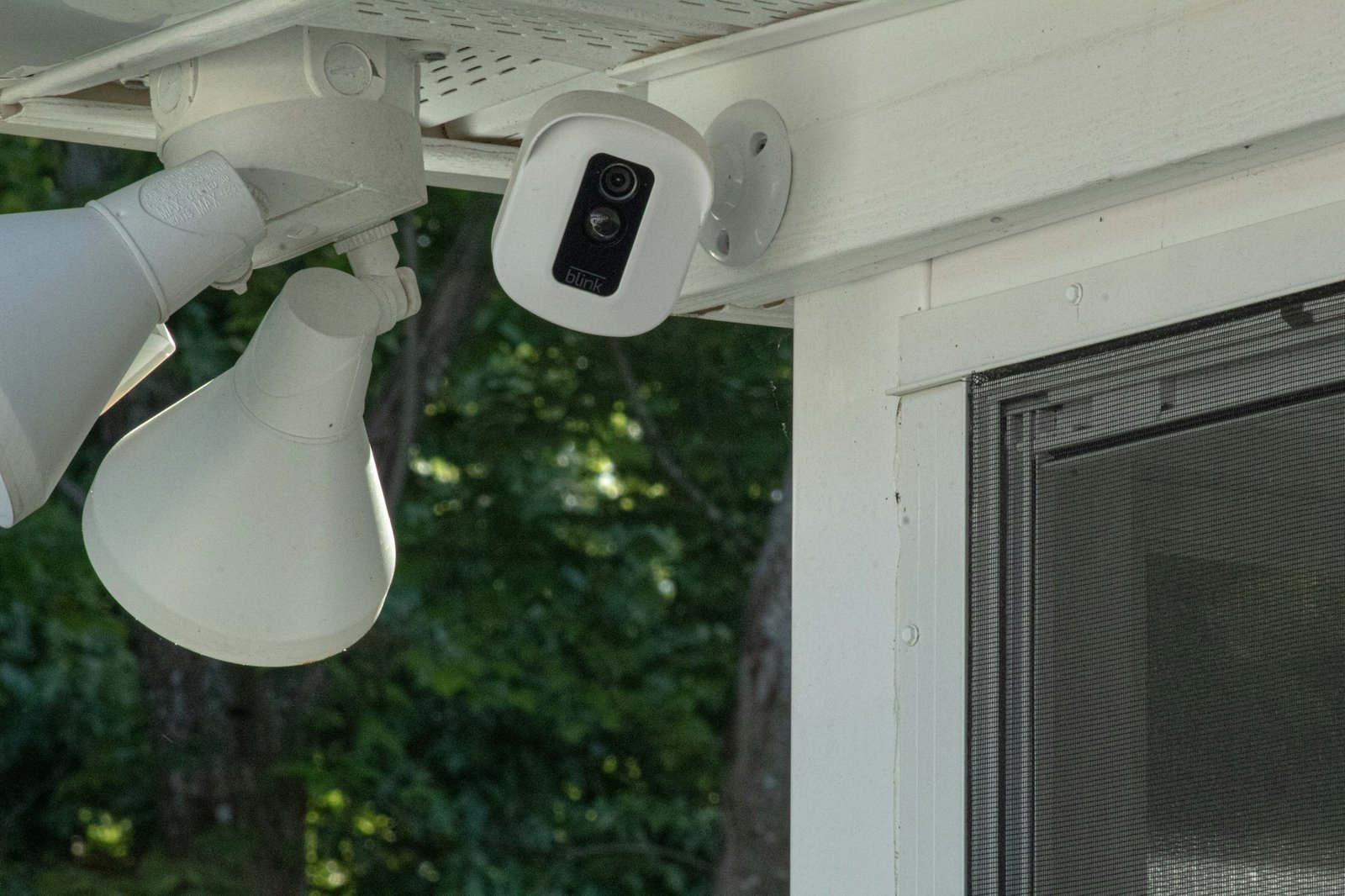
At a smaller scale, Wi-Fi HaLow is well suited to outdoor security cameras, smart locks on a detached garage, pool equipment, and any device you’d normally need a Wi-Fi extender just to reach.
The Companies Building the Ecosystem
Morse Micro has emerged as one of the most visible names pushing this standard into real products, including consumer-ready routers built specifically around it. The Wi-Fi Alliance’s own certification program is steadily growing the list of interoperable, certified hardware, the same kind of groundwork that turned ordinary Wi-Fi from a novelty into a household standard.

Is Wi-Fi HaLow Coming to Your Home?
Probably not as your primary router anytime soon, and that’s fine, because that was never the point. Think of it as a specialist tool arriving alongside your existing network rather than replacing it.
If you’ve ever given up on a smart sensor because it kept dropping off your Wi-Fi the moment you walked it out to the shed, or if you’ve bought a second or third mesh node specifically to cover one stubborn corner of your property, you’re exactly the kind of user Wi-Fi HaLow was designed for.
What This Means for Your Smart Home Setup
As more manufacturers adopt it, expect to see it quietly built into outdoor cameras, smart irrigation systems, and standalone sensors rather than marketed as a standalone router you shop for by name. You’ll likely encounter it the same way you first encountered Bluetooth: built into a product you bought for an entirely different reason, working in the background without you needing to configure anything.
That also means your existing router and mesh system aren’t going anywhere. Wi-Fi HaLow is additive, not a replacement, so your day-to-day streaming, browsing, and video calls will keep running over your current setup exactly as they do now.
How to Check Whether Your Current Network Needs This
Before you go shopping for anything new, it’s worth confirming where your existing network actually struggles. Run a proper internet connection test from the spots where your devices keep dropping out, and compare the results to what you get standing right next to your router. A sharp drop-off tells you exactly where coverage, not your internet plan, is the real bottleneck, and that’s the specific gap a long-range standard like Wi-Fi HaLow is designed to close.
What to Watch For as Wi-Fi HaLow Matures
A few signals will tell you this technology is becoming mainstream rather than a niche industrial tool. Watch for mainstream router brands, not just specialized manufacturers, announcing support for it. Watch for smart home device makers listing compatibility on the box the same way they list Wi-Fi and Bluetooth today. And watch for falling hardware prices, since that’s always the clearest sign a wireless standard is moving from enterprise pilot programs into ordinary homes.
None of that happens overnight, but each milestone chips away at the barriers keeping Wi-Fi HaLow mostly confined to agriculture, industrial, and enterprise deployments rather than ordinary backyards.
What Does This Hardware Cost Right Now?
If you’re picturing yourself swapping out your entire network tonight, pump the brakes on your budget first. Pricing is still firmly in early-adopter territory: certified access points and gateways built around this standard typically run from around $80 to well over $200 depending on range and port count, and compatible end devices add their own cost on top. That’s a steep premium compared to a $15 Wi-Fi smart plug, and it’s exactly why you’ll mostly find this hardware in business, agricultural, and industrial catalogs rather than big-box consumer electronics aisles right now.
That said, pricing curves for new wireless standards follow a predictable pattern. Early Wi-Fi routers cost hundreds of dollars when they first appeared in the late 1990s; today you can buy one for less than a nice dinner out. As more chipmakers add support and production volumes climb, expect the same steady decline, particularly once mainstream router brands start shipping it as a built-in feature rather than a specialty product line.
If you want to experiment today, look for products explicitly listing Wi-Fi Alliance HaLow certification rather than generic “long-range Wi-Fi” marketing claims, since certification is what actually guarantees interoperability between brands. Morse Micro’s own reference hardware and a small but growing list of industrial IoT vendors are the most reliable starting points while the consumer market catches up.
Your Next Step
Curious whether coverage gaps, not your internet plan, are behind your dead zones? Run a free, no-signup speed test at SpeedAndTest.com from the trouble spot right now and see exactly what your current network is delivering, because the smartest upgrade decision always starts with knowing your real numbers.
Frequently Asked Questions About Wi-Fi HaLow
What is Wi-Fi HaLow used for?
Wi-Fi HaLow is used for long-range, low-power wireless connections, most commonly outdoor sensors, smart agriculture equipment, industrial monitoring devices, and smart home products like outdoor cameras and detached-building locks that sit beyond the reach of a typical router.
How far does Wi-Fi HaLow reach?
It’s designed to reach roughly 1 kilometer under open, line-of-sight conditions, with strong wall penetration that makes it far more reliable than standard Wi-Fi at covering a large home or property.
Is Wi-Fi HaLow faster than regular Wi-Fi?
No. It trades speed for range and power efficiency, so it’s slower than the Wi-Fi 6 or Wi-Fi 7 connection you use for streaming. It’s built for small, infrequent data transfers from sensors, not high-bandwidth tasks.
Do I need special hardware for Wi-Fi HaLow?
Yes. You’ll need a certified access point or router and compatible end devices. Standard routers and smart devices don’t currently support the sub-1 GHz band this standard relies on.
Will Wi-Fi HaLow replace my home Wi-Fi router?
No. It’s designed to complement your existing Wi-Fi network, handling long-range, low-power devices, while your regular router continues managing high-bandwidth tasks like streaming and video calls.