

How to Choose an ISP: Avoid These Costly Mistakes
Table of Contents
Signing up with the wrong internet provider doesn’t just mean a slower connection — it often means a contract you’re locked into for a year or two, hidden fees you didn’t budget for, and a customer service experience that makes every problem harder to fix. Knowing how to choose an ISP properly before you sign anything saves you from all of that.
This guide walks through exactly what to evaluate, what marketing language to be skeptical of, and how to compare offers so you end up with a plan that actually matches how you use the internet.
Why Choosing the Right ISP Matters More Than It Seems
An internet connection isn’t a one-time purchase — it’s a recurring monthly cost you’ll likely live with for at least a year, often longer given early termination fees. A plan that looks like a good deal upfront but underdelivers or comes with restrictive terms ends up costing more, in money and frustration, than a slightly pricier but genuinely reliable option.
Step 1: Understand How to Choose an ISP
Assess Your Household’s Real Usage
Before comparing providers, get honest about your actual needs: how many people are online simultaneously, whether you stream in 4K, work from home with frequent video calls, or game competitively. A single person browsing and streaming occasionally needs far less than a household of four with multiple simultaneous 4K streams and remote work video calls.
Don’t Just Chase the Highest Advertised Speed
More speed than you need doesn’t improve your experience — it just costs more. Understanding your realistic usage first prevents overpaying for capacity you’ll never use, and prevents underpaying for a plan that leaves you frustrated.

Step 2: Compare Connection Types
Fiber
Fiber-optic internet offers the best combination of high speed, low latency, and symmetrical upload/download performance. Where available, it’s typically the strongest overall choice, though it isn’t available everywhere yet.
Cable
Cable internet is widely available and generally fast, though speeds — especially upload — can be less consistent during peak usage hours since bandwidth is often shared among neighborhood users.
DSL
DSL uses existing phone lines and is widely available but generally offers the lowest speeds among wired options, best suited for light usage or as a fallback where nothing faster exists.
Fixed Wireless and Satellite
These options have improved significantly, particularly modern low-Earth-orbit satellite services, and are worth serious consideration in areas where fiber and cable aren’t available.
Step 3: Look Past the Advertised Price
Watch for Promotional Pricing Traps
Many ISP offers feature a discounted rate for the first 6–12 months that jumps significantly afterward. Always ask for the standard rate after the promotional period ends before comparing prices between providers.
Check for Equipment Rental Fees
Modem and router rental fees can add $10–15 per month that isn’t always obvious in the advertised price. Ask whether you can use your own equipment to avoid this ongoing cost.
Understand Data Caps and How to Choose an ISP
Some providers, particularly cable and satellite, impose data caps with overage charges. If your household streams heavily or works with large files, confirm whether a plan has a cap before signing up.
Ask About Installation and Activation Fees
One-time setup fees vary widely between providers and are sometimes negotiable or waivable, especially during promotional periods — it’s always worth asking directly.
Step 4: Investigate Real-World Reliability
Look Beyond Marketing Claims
Advertised speeds represent best-case, not guaranteed, performance. Independent speed test data and user reviews in How to Choose an ISP in your specific area give a far more realistic picture than a provider’s own marketing materials.
Ask Neighbors and Local Community Groups
People in your immediate area have direct experience with the ISPs actually serving your street, which is often more reliable than general online reviews that may reflect a different region’s infrastructure and service quality.
Check Outage History and Reliability Reports
Frequent outages matter as much as top-line speed for many households, especially those working from home. Some regulatory bodies and consumer sites publish reliability and complaint data by provider that’s worth reviewing.
Step 5: Evaluate Contract Terms Carefully
Contract Length and Early Termination Fees
Understand how to choose an ISP, exactly what you’re committing to, and what it costs to leave early if the service doesn’t meet expectations or you move.
Price Lock Guarantees
Some providers offer price-lock guarantees for a set period, protecting you from the rate increases common after promotional pricing ends elsewhere.
No-Contract Options
If you value flexibility, some ISPs offer month-to-month plans, often at a slightly higher base price but without the long-term commitment.
Step 6: Consider Customer Support Quality
A fast connection means little if a problem takes days to resolve. Look How to Choose an ISP into average response times, availability of 24/7 support, and whether the provider offers self-service tools for troubleshooting common issues without needing to call in.

How to Compare Multiple ISPs and How to Choose an ISP Side by Side
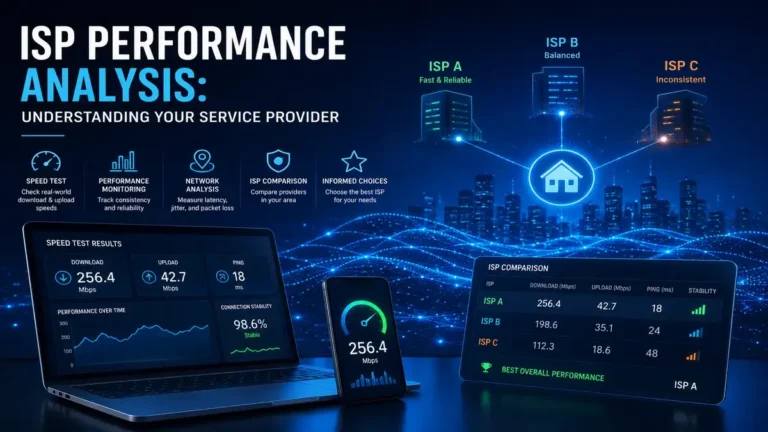
Create a simple comparison covering: advertised speed vs realistic expected speed, total monthly cost after promotional pricing ends, equipment fees, data caps, contract length and termination fees, and available customer reviews specific to your area. This structured approach makes it far easier to see past marketing language and identify how to choose an ISP that actually fits your situation.
Red Flags to Watch For: How to Choose an ISP
Vague or unavailable pricing information, reluctance to specify data caps clearly, unusually long contract lock-ins without an easy cancellation path, and a pattern of complaints specifically about unexpected fees are all signs worth taking seriously before signing up.
When It Makes Sense to Switch ISPs
If your current provider consistently underdelivers on promised speed, has raised prices significantly after a promotional period, or a genuinely better option has become available in your area — particularly new fiber buildout — switching is often worth the short-term hassle of setup for the long-term improvement.
Related Reading
- Internet Speed Test: The Surprising Truth Revealed
- Improve Your Internet Speed: The Fast, Proven Fixes
- Home Network Security: The Dangerous Mistakes to Avoid
Frequently Asked Questions
What’s the most important factor in how to choose an ISP?
Matching the plan to your household’s actual usage matters more than any single factor — the fastest available plan isn’t automatically the best choice if it costs significantly more than you need.
Is fiber internet always better than cable when choosing an ISP?
Generally yes, in terms of consistency and latency, but cable can be a perfectly good choice if fiber isn’t available in your area or if the price difference doesn’t match your actual usage needs.
How do I know if an ISP’s advertised speed is realistic?
Independent speed test data from your specific area, along with local reviews, give a more accurate picture than the provider’s own marketing claims, which reflect best-case conditions.
Should data caps affect how I choose an ISP?
Yes, especially if your household streams heavily, works with large files, or has multiple devices active simultaneously. Confirm cap details and overage costs before committing.
Is it worth paying more for a no-contract ISP plan?
It depends on how much you value flexibility. A slightly higher monthly cost for a no-contract option can be worthwhile if you anticipate moving or want the freedom to switch providers without penalty.
Test Any ISP Before You Commit
Whether you’re evaluating a current plan or comparing new providers, real performance data tells you more than any advertisement. Run a free speed test with SpeedAndTest to see exactly what speed you’re getting right now.
2 Comments